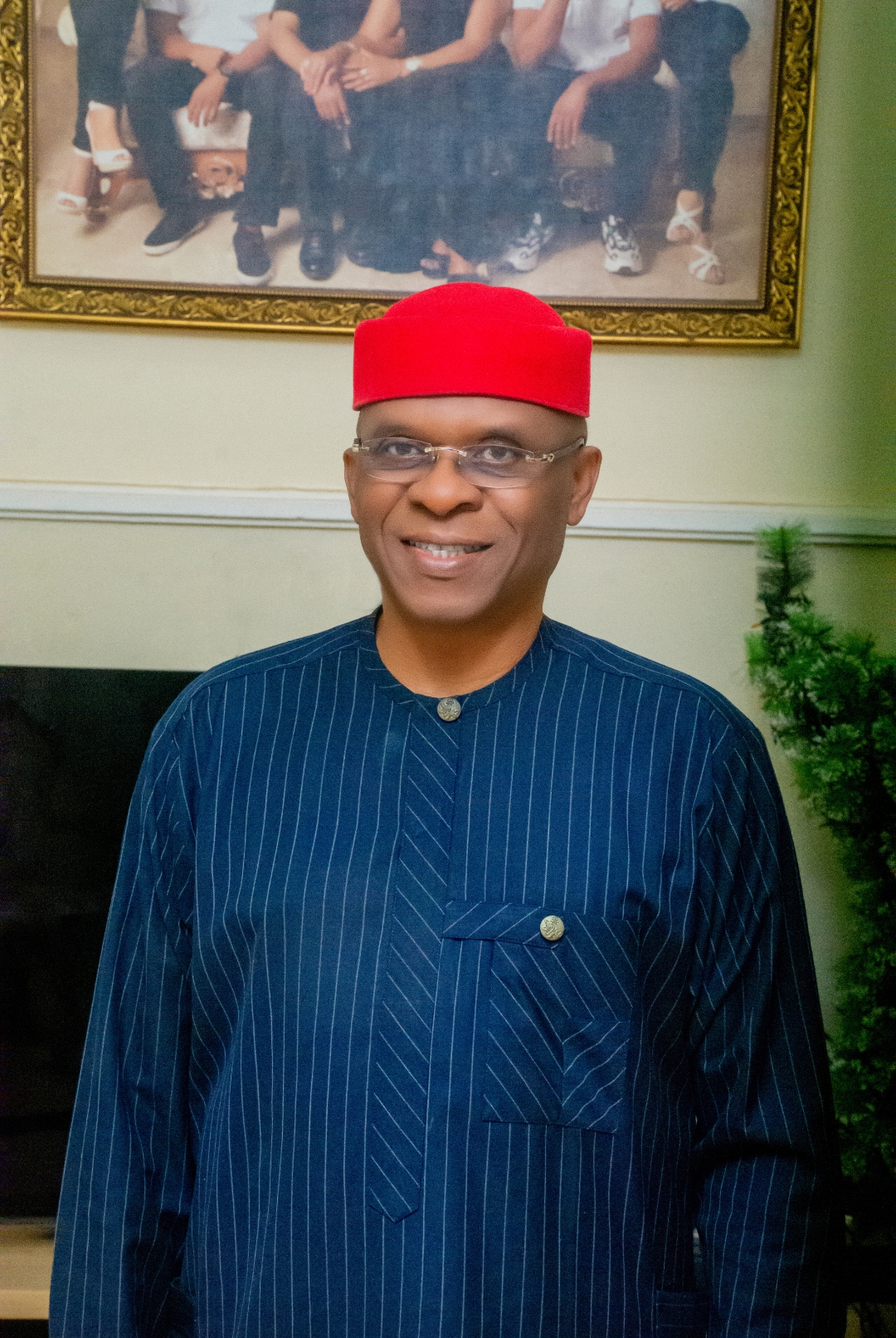
Four Years, No tangible constituency project: Questions Trail Magnus Ede’s Re-Election Bid


As the 2027 political season gradually gathers momentum in Aninri State Constituency, many constituents are beginning to ask difficult but necessary questions about the performance of Hon. Magnus Ede after nearly four years at the Enugu State House of Assembly.
For many residents across Aninri, the expectations that accompanied his emergence into office have largely turned into disappointment, frustration, and silence from leadership that was once presented as a beacon of hope.
Democracy thrives on accountability, and public office holders must be judged not by speeches or political propaganda, but by measurable impact and visible representation. Sadly, many constituents argue that Hon. Magnus Ede’s first tenure has failed to deliver the dividends of representation expected from a lawmaker entrusted with the mandate of the people.
One of the strongest criticisms against his administration is the apparent absence of tangible constituency projects across communities in Aninri. From road interventions to empowerment schemes, educational support, healthcare assistance, youth development programs, and infrastructural projects, many residents say they cannot point to any major project directly facilitated by the lawmaker throughout his tenure.
In an era where legislators across various constituencies are sponsoring scholarships, bursary awards, ICT training programs, agricultural support initiatives, and youth empowerment schemes, critics insist that Aninri has remained politically abandoned and underrepresented.
Questions are also being raised regarding legislative productivity. Constituents and political observers continue to ask: What major bill has Hon. Magnus Ede sponsored since assuming office? What motions directly addressing the pressing needs of Aninri people has he championed on the floor of the House?
For many constituents, representation is beyond occupying a seat in the Assembly; it is about speaking boldly for the people, attracting development, and using legislative influence to improve lives. Unfortunately, many believe Aninri has not felt such representation under the current leadership.
The growing dissatisfaction among youths and grassroots supporters is reportedly fueled by what many describe as poor accessibility, weak constituency engagement, and lack of visible empowerment initiatives throughout the four-year tenure.
While political allies may defend his administration with promises and rhetoric, many constituents insist that leadership must be evaluated through concrete results rather than political sentiments.
As conversations about re-election continue to emerge, many voters in Aninri are now asking whether another four years should be entrusted to a representative whose first tenure, according to critics, has produced little visible impact on the lives of ordinary people.
Ultimately, the people of Aninri will decide at the polls. But one undeniable reality remains: performance, accountability, and tangible development will dominate political conversations ahead of the next election.
Leave a Reply
Your email address will not be published. Required fields are marked *